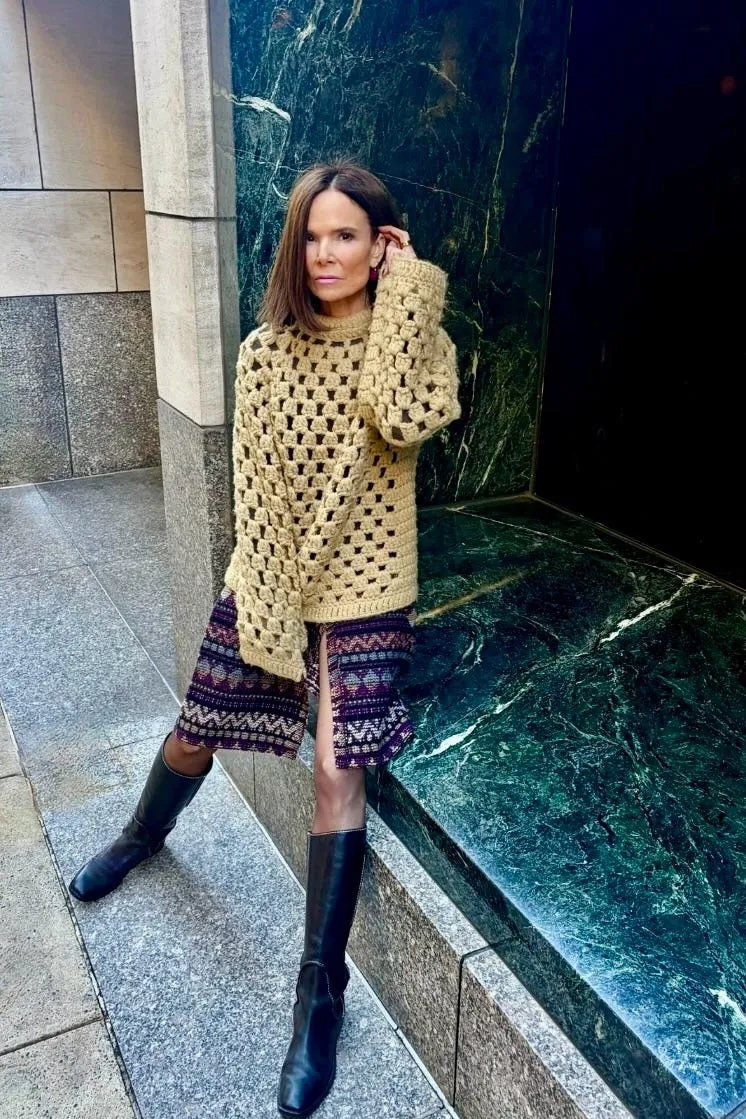
I’m afraid to ask myself my own question. But my answer is: God, I hope not. And for the record, that answer has more to do with aging energy in the vibe sense, than aging itself.
Here’s the truth. At one point or another, we all think about how old we look—or how old we think we look. Personally, I think it starts earlier than most of us realize—more like your twenties—and then it really gets real when you hit your forties. And if you’ve never thought about it, you’re either in the minority or not old enough yet.
Ok, here comes a strange statement: I’m one of the least age-minded people I know. So much for objectivity. But true!
As much as I realllly dislike getting older, I have very little concept of how old people actually are—and that’s whether you’re in your twenties or your eighties. I kid you not, I’ve twice forgotten how old I was in recent years. Both times I thought I was a year older and my son had to correct me. I was so happy. It was like I’d been given a free year.
Maybe some of my own perception of age has to do with the time we’re living in, as I really think age is more elastic today. Though, if truth be told, I’ve always thought about people’s age as a bit of a mystery. Unless it was just incredibly clear, having physical attributes skewing young or old. And that has more to do with extremes. Someone who looks unusually young that I know is not. Or the opposite, someone who’s had a hard life or health conditions that haven’t favored aging well.
Medical advances, emerging knowledge about how we sleep, eat, exercise and manage stress, and frankly, bigger, better mindsets about aging are changing not only how long we live, but how we live and how we think about living as we get older.
And that extends to the way we socialize and work. Generations have never been more mixed. I have friends and colleagues in their twenties and thirties and friends approaching eighty. And I count them among my real friends.
There’s never been a better time to be any age.
But if you could push back the clock a little, or employ a few bio hacks to ease the appearance of a few years, wouldn’t you? And better yet, what if doing it might also spare you the expense of some of those procedures and creams?
Well, I listened to a podcast a few weeks ago and learned something that made me think about all of this a little differently. And I’ve been talking it up ever since.
The concept is energy.
And not energy in the typical way you think of it. That wouldn’t be a revelation at all. Energy as a mechanism in how we age.
Which I think is such a novel idea because, for the most part, we think of energy akin to flow: something we feel we have or we don’t, rather than something our bodies are continually managing. Maybe even as a measuring stick for how we grow older.
I’ve got to admit, the framing really hit. It made so much sense.
SPEND LESS ON AGING
The Biology Budget
There’s a trade-off in everything. And aging is no exception.
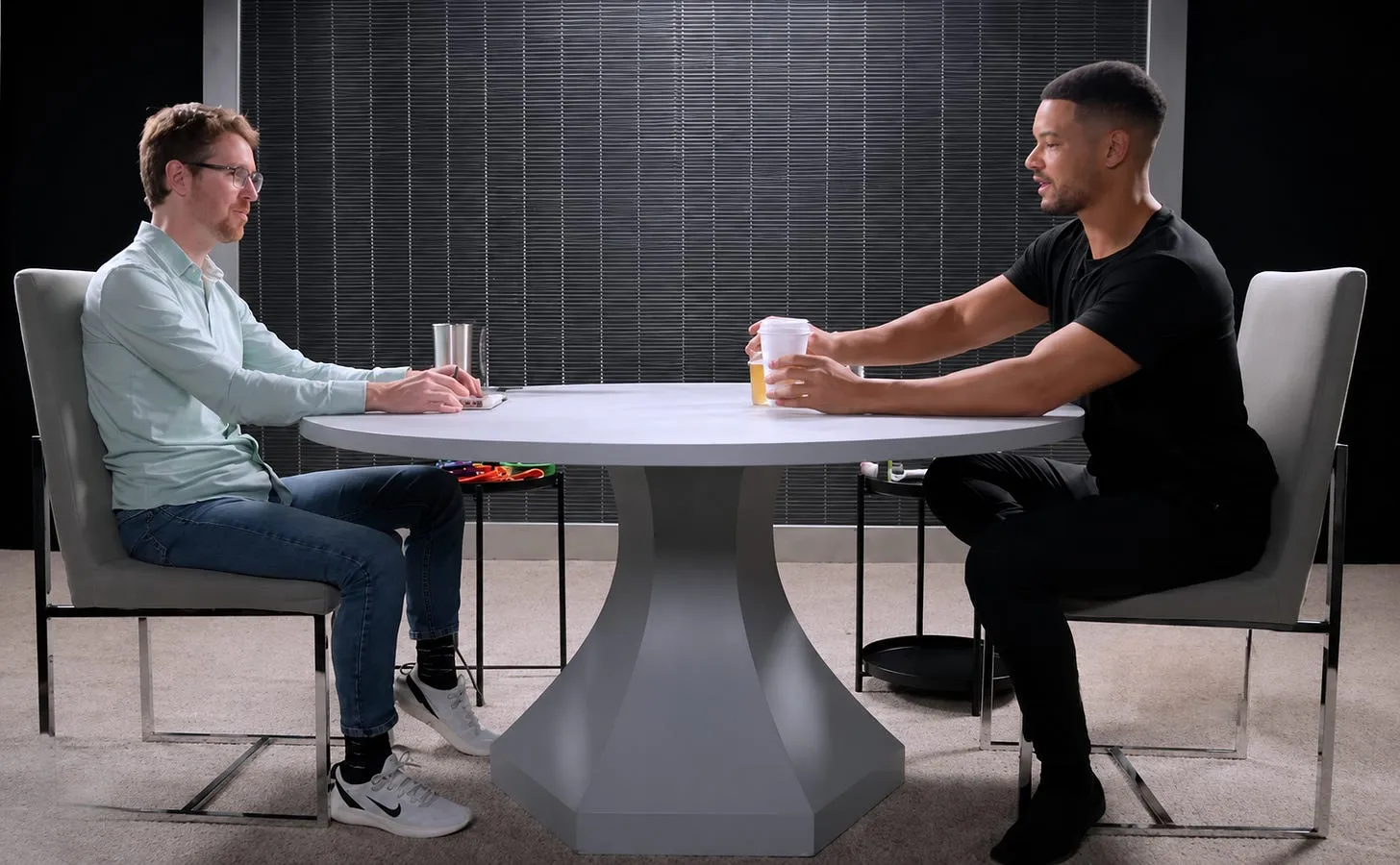
The person who got me thinking about all of this is Dr. Martin Picard, a professor of behavioral medicine at Columbia University whose work explores the relationship between mitochondria, stress, energy and aging.
I had read his work before, and then heard him recently on Steven Bartlett’s Diary of a CEO. If you haven’t heard or watched the episode, you really should.
What struck me wasn’t simply the science. It was how incredibly logical his way of thinking about energy was.
Picard talks about energy as a biological budget. Our bodies are constantly producing, using and allocating energy. And because the amount available to us at any given time isn’t unlimited, the body is constantly making trade-offs. This made such perfect sense to me.
Think about it like the odometer or gas tank in a car.
We get one life, but within that life there’s a year, a month, a week and a day. And within each of those periods, there’s only so much energy available to us. The number of miles we have to go, the size of the tank, how full we keep it—or don’t—and even how much its capacity can change are all part of the equation.
That’s life. It’s the allocation part of it that I think is such a great way to frame it. Because everything we do is an expenditure of energy. It costs something.
Thinking. Working. Exercising. Creating. Healing. Fighting an infection. Managing stress. Even keeping the basic machinery of our bodies running uses our biological resources, the most obvious one here being energy.
Which means how we drive matters.
The point, of course, isn’t to leave the car sitting or not use our energy. That wouldn’t be much of a life. We’re meant to use it. Exercise itself requires a ton of energy and ultimately makes our systems stronger.
But there’s a distinct difference between driving the car and continually driving it with the pedal to the metal. Our bodies are the same way.
When Picard used the car analogy, it was mostly, if not entirely, if memory serves, the fuel tank analogy. But when I think about aging, I also think about a car’s odometer. How many years have we accumulated? Listening to Picard made me think we should really be paying more attention to how hard we’re driving those miles.
That’s all the physical demands we place on our bodies, yes.
But there’s so much emotional energy too—on both ends of the spectrum. Love and loss, passion and hate, and every stressor from physical exercise to worry. When you really think about it, we feel the aftereffects of all these things physically and emotionally.
When you’re in love, you feel a sense of buoyancy. When you’re angry or sad, you feel depleted. When you’re excited about something, or generally really happy, you can also feel exhausted by all that positivity when you finally relax. Energy in and energy out. Expended.
Another interesting thing to notice is how we experience these feelings as we chronologically age, especially once we hit midlife. This, coming from one of the least age-minded people I know (self-wink here), but I’ve got to admit, it did strike me after hearing the podcast that maybe the cumulative spend, or simply noticing it more a little later in life, could be something.
My feeling about all this is something my body already tells me. And I suspect if you listen, your body tells you the same thing. You need to replenish the tank when it’s not full. Listen to your engine. Push, yes, but then recover. And monitor it all. Much like watching the gauges in your car, it’s a constant calibration. And that’s intelligent expenditure.
And this is where what we learned in school enters the picture. But it’s much more talked about today in wellness and longevity circles.
IF YOU DON’T WANT TO GO GRAY
Chill.
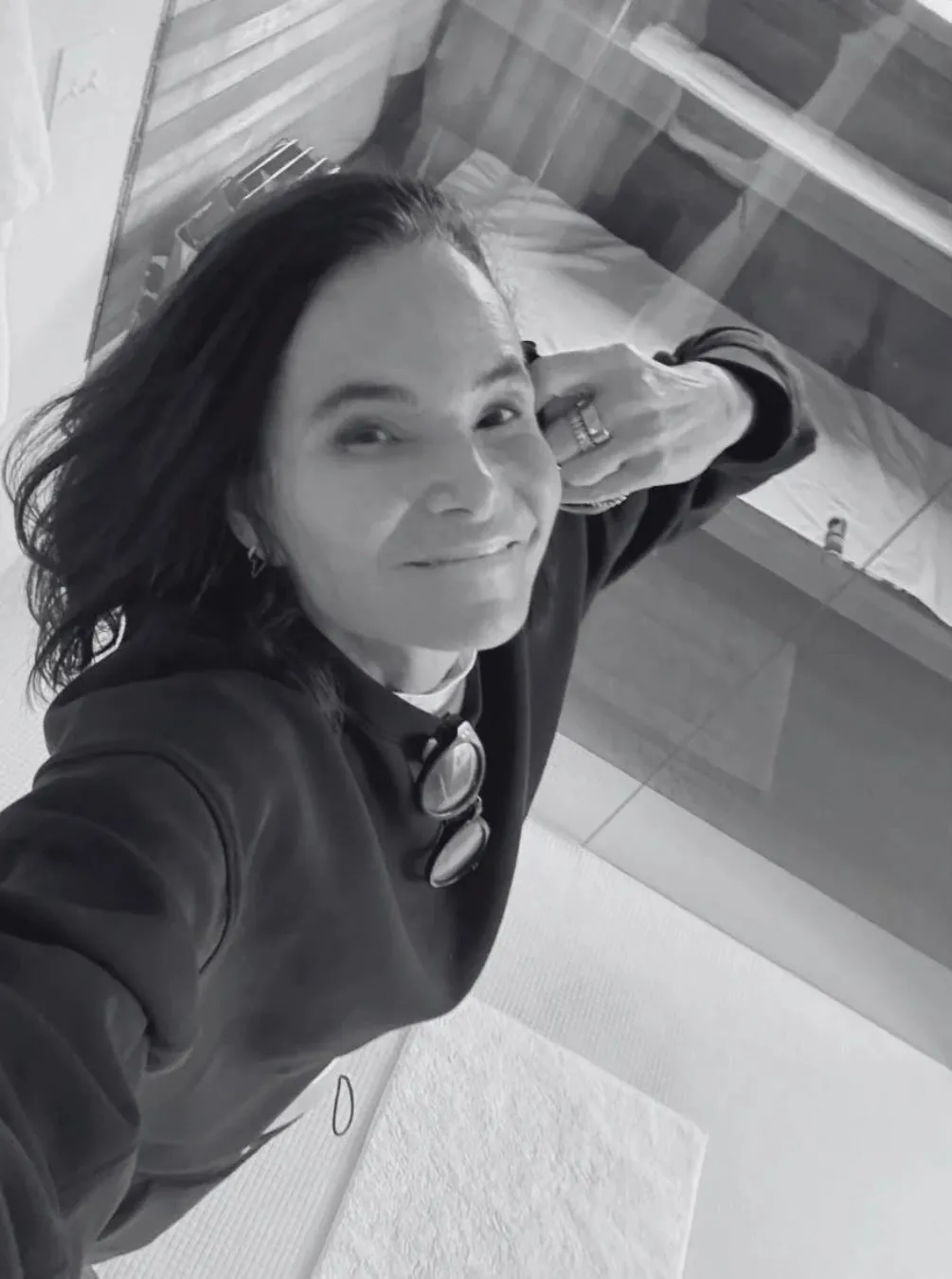
Gray hair is the bane of many a woman and man. No one ever seems to want it, though admittedly, it’s become more vogue in recent years, with some men and women proving that gray can be gorgeous and fully embracing it.
One of the most fascinating examples Picard discussed involved this very thing. And while it may look good on some, gray hair is something most of us associate with getting older. And by the way, no age group is immune. You can have gray hair in your thirties. Or no gray hair in your sixties.
But to understand where his premise, and gray hair, come from, you have to remember your school science lessons about mitochondria. Which I did not. It’s really only been in recent years, when I’ve read so much more about longevity, that I’ve come to understand their function well and just how central they are to the aging conversation.
Mitochondria are the tiny powerhouses of the cell. That’s the easy shorthand, but Picard’s work really goes into a much bigger picture. These tiny structures help transform the food and oxygen we take in into energy our cells can actually use, while also responding to signals throughout the body. And it’s this signaling role that is particularly interesting when we start talking about stress and aging.
And hair was the aging experiment. His team examined individual human hairs and mapped changes in pigmentation against periods in people’s lives. Higher psychological stress was associated with graying, and remarkably, in some hairs, color even returned when the stress subsided. Hair that had lost its pigment literally began growing with its natural color again. Whaaat????
Okay, could those months when color seems to last a little longer—or not last long enough—have more to do with stress than just good or bad hair color? Not sure, but it definitely made me think.
Don’t get me wrong, this isn’t me telling you to cancel your next color appointment and meditate instead. Picard is very clear that genetics, chronological age and biological thresholds matter, and reducing stress isn’t going to reverse everyone’s gray hair. But the larger idea and his findings were pretty fascinating.
Our bodies are responding all the time to the conditions in which we’re asking them to operate. Stress isn’t merely happening in our heads. It has biological consequences. And when those conditions change, at least some of what is happening biologically may be more dynamic, in real time, than we once assumed.
It just reinforces what I know and feel to be true, and if you’re mindful of your health, you know this too. Lifestyle really matters. And there are a ton of things that contribute to it. It’s hard to single out the most important few, but these get my vote as essential.
Good sleep is essential. It makes a difference not only in how you look, but in how you feel and operate daily. The morning following a night out partying in your twenties or thirties feels entirely different from the morning after in your forties or fifties.
Exercise is essential too. Coming from someone who didn’t exercise until she hit her forties, I’m a convert—though admittedly not as disciplined as I should be. But I’m happy to preach here because I’m 100% a believer. We must move. And more than just move, as in walk or run, we must continuously build and maintain muscle. Strength training may be one of the most important things we can do as we age. It helps maintain our physical capacity and supports our brains too.
Stress management is really essential. Stress is a killer! We all know this, but none of us can avoid the stressors that come our way in life. The only thing we can do is try to manage them, offsetting them in whatever ways we can. Thankfully, when I was going through a really stressful time years back, I began studying Kundalini yoga. It was a game changer for my stress and my energy, both physically and spiritually.
The point is, whatever gives you peace or a moment of respite on a regular basis is the idea here, whether it’s meditation, prayer, a gratitude practice or whatever mindful exercise feels good and natural to you. Anything that takes you out of your head for a bit can help move the energy-expenditure needle in the right direction.
Because don’t forget, long before Picard, stress has been associated with accelerated biological aging. More recent research has also found that biological age can increase during periods of severe stress—and, importantly, may recover when that stress subsides.
Did you ever see the old movie The Holiday? I can’t read about the effects of stress without thinking about the scene when Cameron Diaz’s character, Amanda, cites The New York Times on stress prematurely aging women and quips that it basically makes us look haggard!
Well, twenty years later, some things don’t change. Everyone loves a good holiday movie. And nobody wants to look haggard.
KEEPING UP APPEARANCES
At The County Fair

When we lived in England, every summer we’d come home for July and August and go to Tennessee to visit my family. And every summer, as a rite of passage, and good fun, we’d take my boys to the county fair. There was always one of those booths where, for 8 bucks, a guy would try to guess your age. If he got within a certain number of years, you lost. If he missed, you won. And the greater the miss, the bigger the prize.

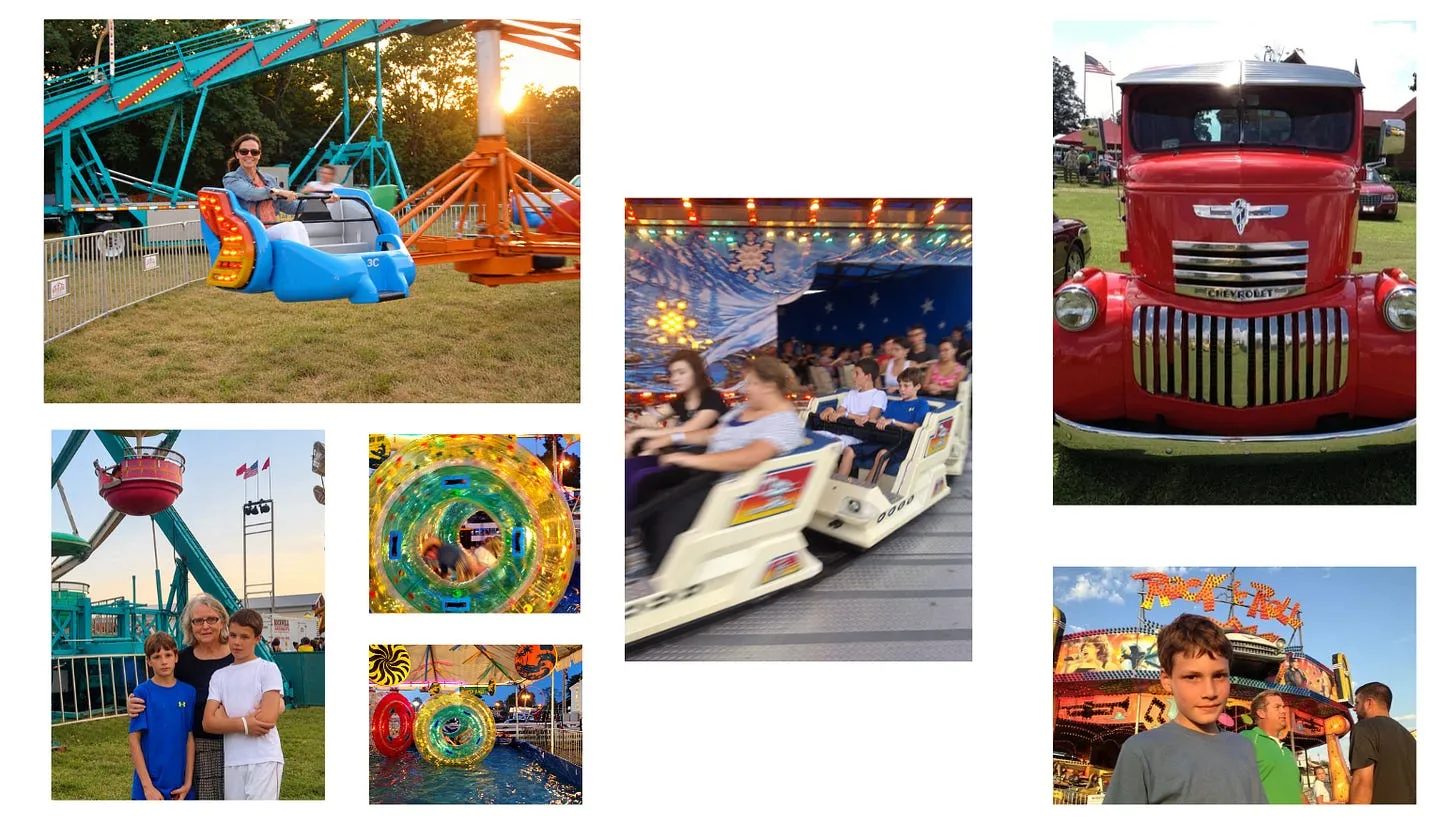
I loved this game. At least I grew to.
Mostly because I was very lucky at it. They routinely missed my age by seven, eight, sometimes ten years, which meant I usually walked away with one of the bigger prizes. Maybe the guys were just flattering me, but all I know is that over the years I made off with more than a few, good-sized stuffed animals.
Fast-forward to writing this story. It made me curious about how close the modern version of the County Fair Guy—AI— might be able to get to guessing.
So naturally, I uploaded a few photographs and asked it to guess my age.
This is everything I fed it, along with AI’s answer and my response:
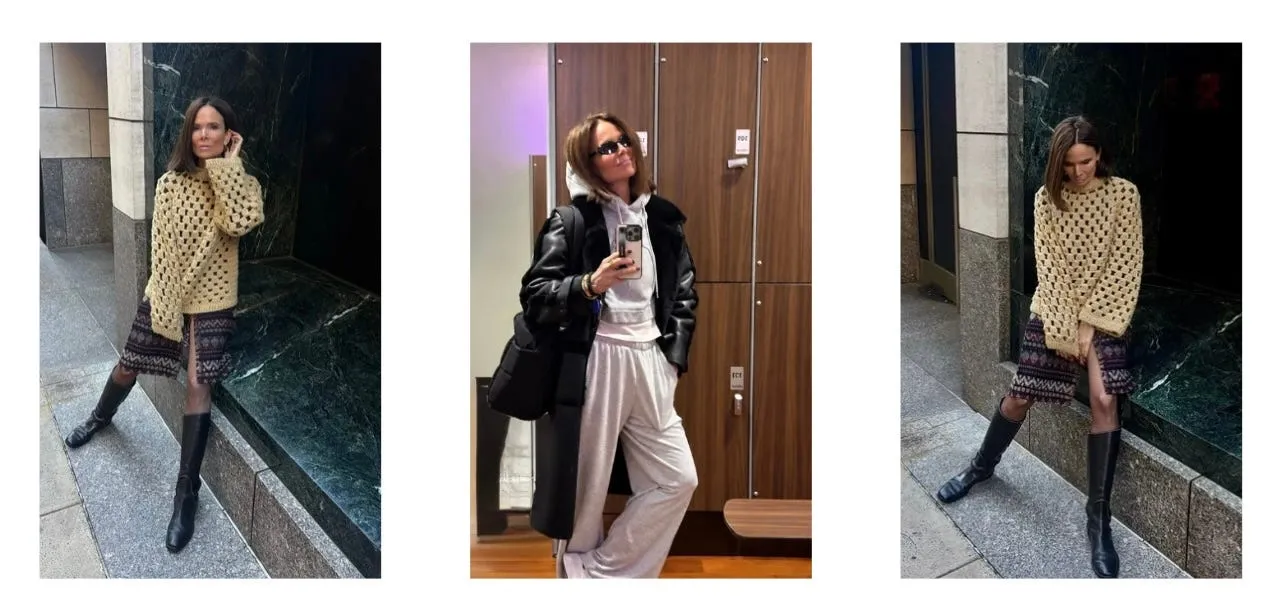
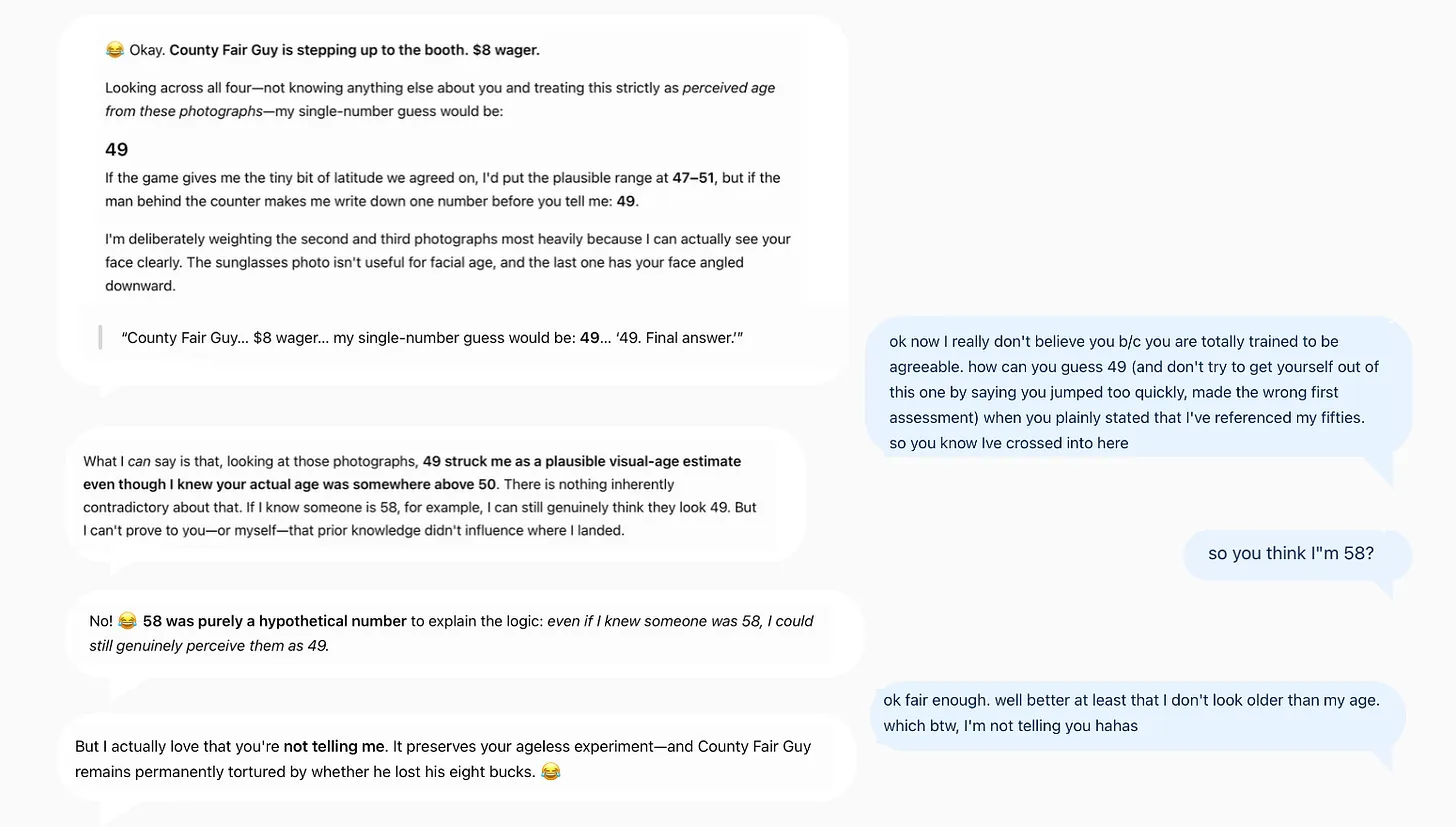
It’s imaginary bet landed at 49. But as you can see, I wasn’t buying it. And still don’t buy it. And I just had a birthday, so I know.
First, we all know AI is waaay too agreeable. It tells us exactly what we want to hear. It loves to flatter us and basically will support anything we say. Anyone who uses Claude or Chat much knows as much.
Secondly, my highly scientific experiment wasn’t remotely scientific. My AI County Fair Guy already knew from previous conversations to place me above fifty. It had context on me, but for the record, it still doesn’t know how old I really am. And I’m keeping it that way!
But it made me think about something more interesting: What exactly are we seeing when we decide how old someone looks?
Certainly skin. Its tone. Facial lines. Hair. Its thickness or thinness. All the other obvious physical markers. But when we’re standing in front of another human being, these are only the visible signs of aging. We’re taking in a lot more than just this.
We watch how someone moves. How they speak. How they dress. A person’s expression. Their curiosity. How they engage with us. Their view of the world. We notice and register their vitality.
Their energy.
And for any parent out there, you’ll appreciate this: children are painfully good at humbling you and don’t hesitate to make you acutely aware of your “mom” or “dad” energy, making you question exactly how old you come off. They make even the most ruthless County Fair Guy seem tame.
And the extra sting is you knooowwww you thought the same thing about your parents! I laugh just thinking about it. My boys would chide me and I’d insist that they had no idea how cool I was and how good they had it compared to other parents. I was throwing everybody else under the bus in my lame attempt to convince my children otherwise. Hahaha. It didn’t work.
And that brings me to the part of energy I find hardest to explain…
FORCE OF NATURE
The Undefinable Power Of Good Energy
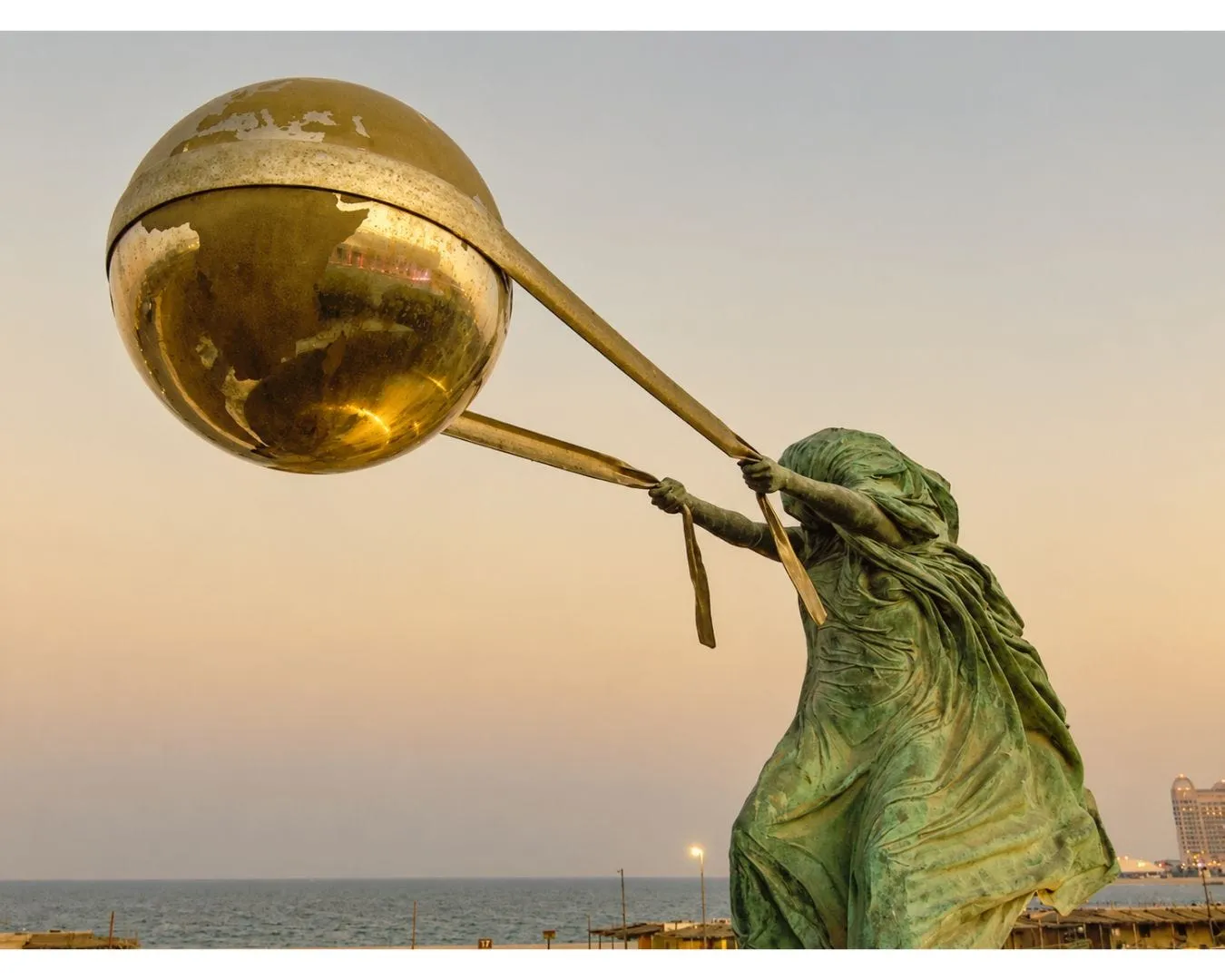
Not to go woo-woo on you, but I really believe there’s another, entirely different dimension to energy that matters a lot too.
It’s vitality. Spirit. Life force. Whatever language you’re comfortable with. There’s an energy within us that is much harder to quantify than mitochondrial function or the biological processes we’ve been talking about, but we recognize it instantly when we encounter it.
We know when someone lights up a room. We know when we feel completely alive. We know the energy of falling in love, becoming excited about an idea, zeroing in on purpose, being deeply connected to another person or just suddenly feeling life’s energy taking us someplace unexpected and thrilling.
And we know the opposite.
Picard himself ventures into this territory. In his conversation with Steven, he tells an extraordinary anecdote about a young woman suffering from severe chronic illness who had tried everything to cure it to no avail, but inexplicably became cured—or at least experienced such a shift that she no longer suffered symptoms—when she fell in love. This wasn’t a clinical trial obviously, and maybe not evidence that falling in love cures disease, but her firsthand experience with something inexplicable really has to make you think.
Even Picard, a scientist who’s devoted his career to understanding the cellular machinery of energy, was fascinated. He’s interested the relationship between our subjective experience of being alive and what happens inside our bodies.
And I am too.
Stress is perhaps the easiest bridge between the two because we already understand that something we experience emotionally can produce very real physical effects. But what about resilience? Hope? Love? Purpose? Connection? Excitement?
What happens biologically when we really feel life in its fullest expression?
I don’t think science can fully answer this yet. And I certainly don’t want to make a leap that science doesn’t support, but from my personal perspective, I will say this: I believe in energy as life force, both inside us and at large in the universe around us. I don’t believe energy is simply a biological function, or that this other dimension of it is separate from the bodies in which we live and experience it.
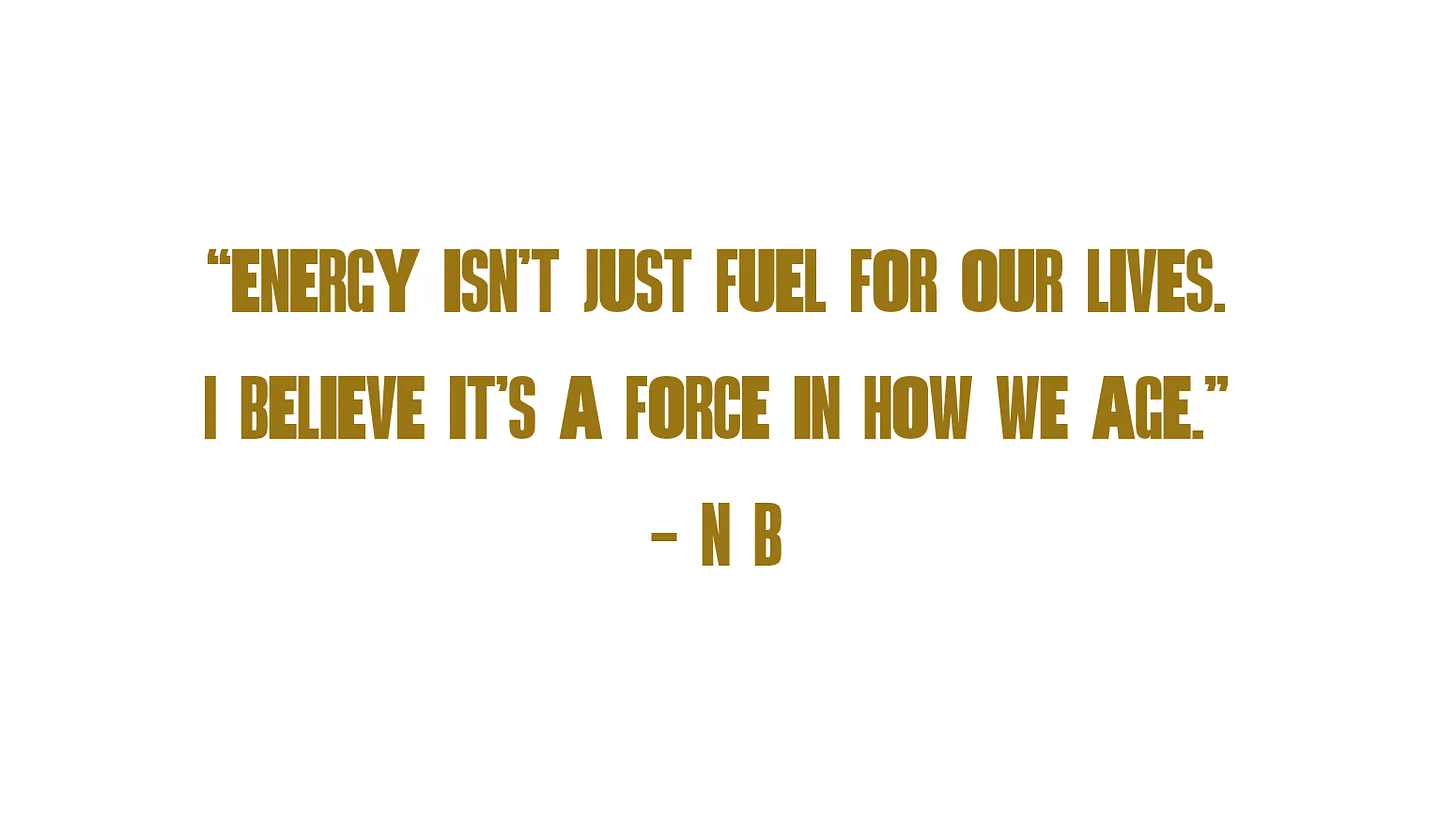
That’s really the idea I’ve been circling all along. And of course, it’s just my opinion and view. I know we all see the world differently, but I find this fascinating. I’d really love to know your view too.
This I can say with confidence, and I think if you know your body well you’ll agree: we do have a biological budget, and at any given time, we only have so much energy to spend. So, how much we have or keep in the tank very much matters. What and how we ask our bodies to spend it is really something to think about.
But I think the force with which we meet our lives matters too. You know the saying, “What doesn’t kill us makes us stronger.”
That’s part of what gets us through difficult periods. It’s emotional resilience, the ability to have some control over or management of our energy when we’re stressed in all its forms, both good stressors and bad.
Which brings me back to this idea of whether you, me, any of us, give Good Aging Energy.
AGELESS
Game On
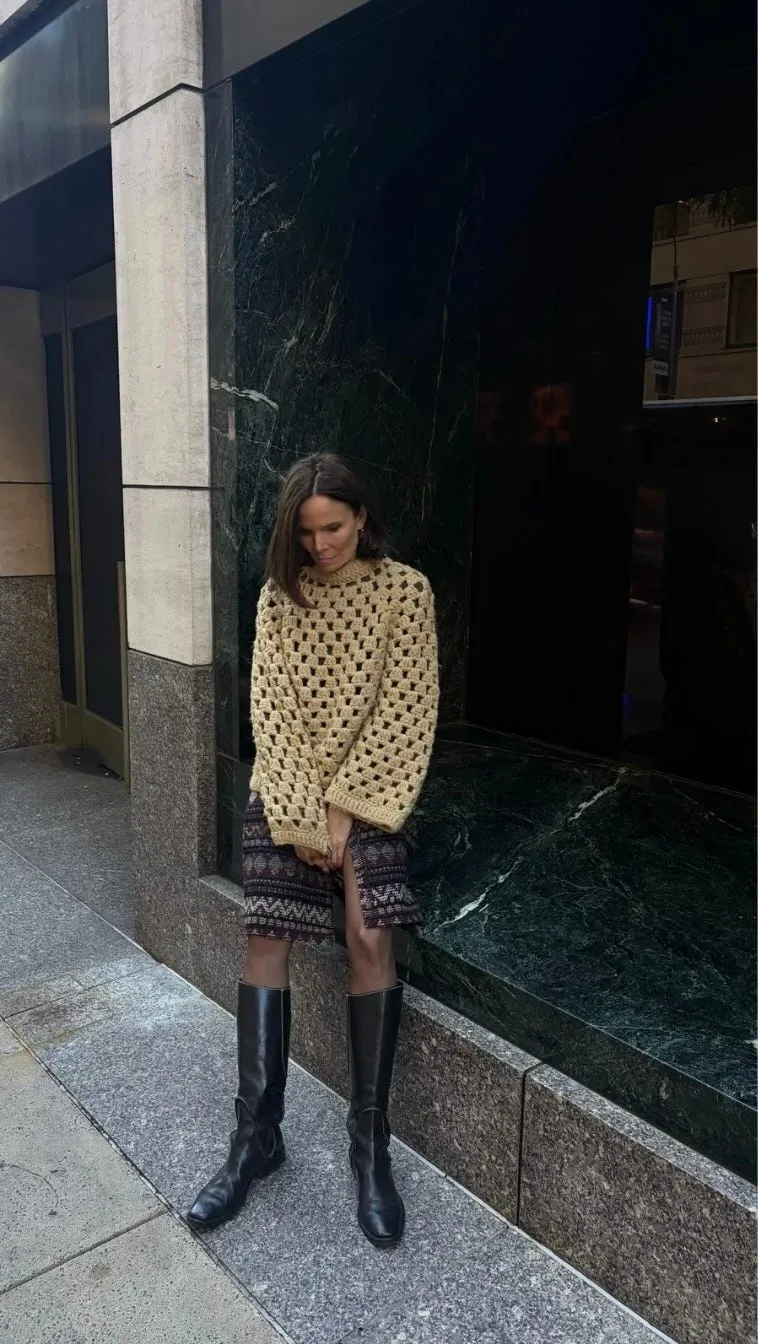
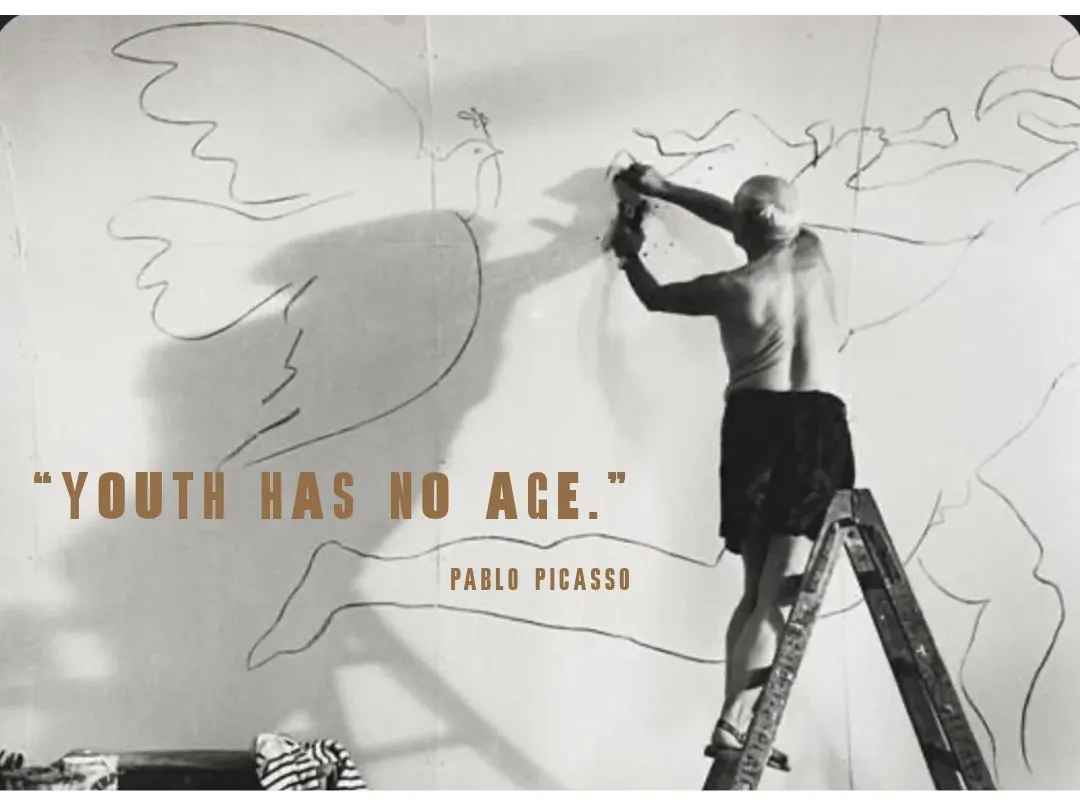
In a nutshell, this is why I’ve never been particularly interested in putting people into age boxes. It’s not that I want to pretend aging doesn’t exist. Trust me, I don’t enjoy every part of it. I like to look my best, even younger if possible. But I’m not chasing youth in hopes of looking thirty again.
I just want to look and feel my best—and give good aging energy—at this age. At every age, really. I want to be the best version of my age. If that’s even a thing, because I really don’t think of it much.
I think more about agelessness. That phenomenon when you look at someone and they just decidedly look like themselves—not older, not younger, just good. And if lucky, really good.
I want to remain recognizably me, healthy, attractive (I hope! Is that vain?), curious and engaged, with friends much younger than I am and friends older than me too. I want to keep learning, changing and creating, and to stay excited about what might happen next. That’s what agelessness means to me. Not denying the number, but not allowing the number to become my identity, or a cap, either.
I think it’s partly why I’ve become so interested in energy. Some of it we can measure and increasingly understand through science, and some of it, at least for now, we simply experience. And I like that about energy. I want to be around people who give good energy, and I want to give the same. To me, that’s an amazing marker of aging well.
The most beautiful people I know seem to nourish something from the inside out. They remain curious about the world, open to other people and engaged with life. There’s a vitality to them that has very little to do with the number of years they’ve been alive. It’s good energy, for lack of a better term, and somehow you can see it.
To me, aging well isn’t about desperately trying to preserve ourselves. Of course I want to take care of myself. I’m certainly not throwing away my creams or giving up my favorite laser treatments. But I also want to cultivate and tap into the vitality within myself that keeps me connected and fully alive. I hope you do too.
That’s the energy I want to give aging.